
Monthly Roundup #43: June 2026
Your monthly hit of all the things that are fit to print without a better place to live.
Lire
Your monthly hit of all the things that are fit to print without a better place to live.
Over the past year I’ve reviewed enterprise agent architectures at roughly two dozen organizations, including banks, retailers, healthcare systems, and a couple of regulators. The architecture diagrams have been reliably impressive. There are boxes for the MCP gateway, the tool registry, the vector store, the orchestrator, the policy engine, and the observability stack. There are […]
Prompt Injection as Role Confusion First, I absolutely love this: This is a blog-style writeup of the paper. I wish every paper would come with one of these. Academic writing is pretty dry - the impact of a paper can be so much higher if you publish a readable version to accompany the formal one. Charles Ye, Jasmine Cui, and Dylan Hadfield-Menell present some fascinating research into the challenge of having models distinguish their own privileged text (here wrapped in role tags like…
This morning on Hacker News I saw Moebius: 0.2B Lightweight Image Inpainting Framework with 10B-Level Performance, describing a small but effective inpainting model - a model where you can mark regions of an image to remove and the model imagines what should fill the space. The released model required PyTorch and NVIDIA CUDA, but since it described itself as 0.2B I decided to try and get it running using WebGPU in a browser. TL;DR: I got it working, and you can try the demo at…
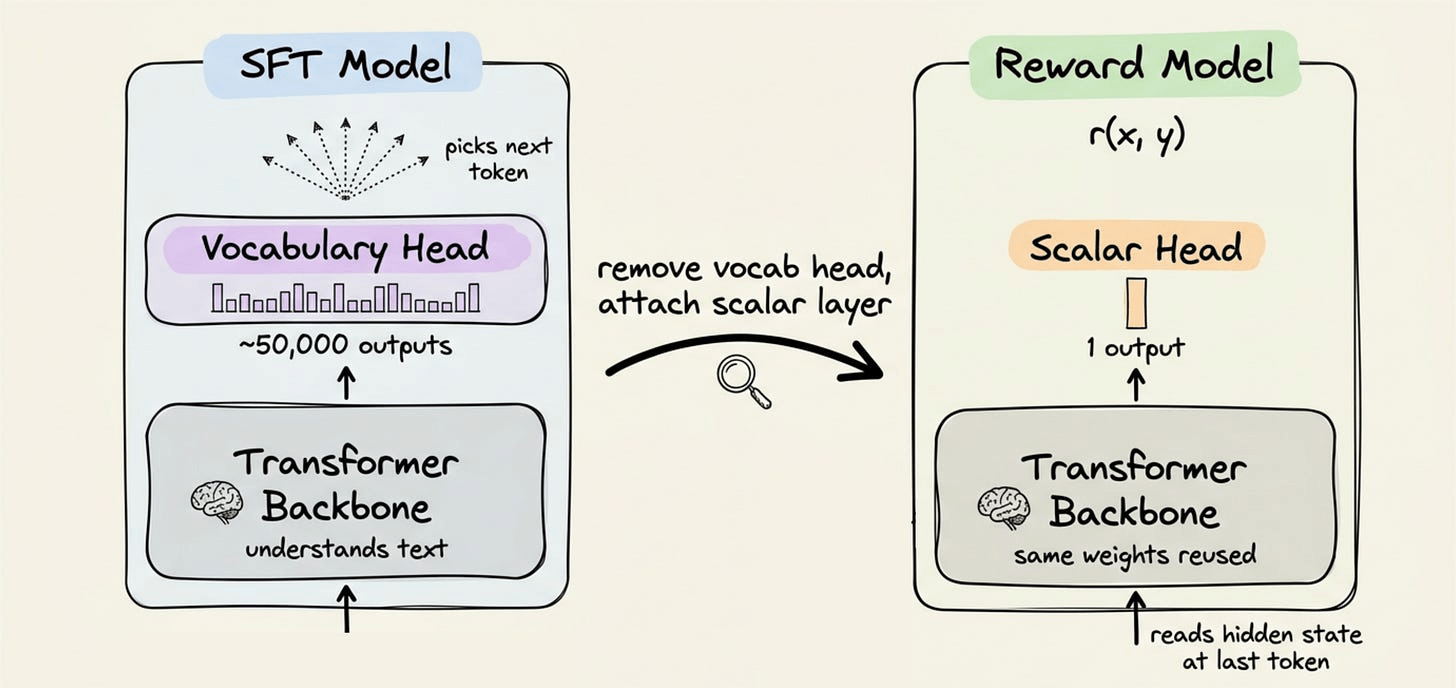
The full RL nanodegree, covered with implementation.
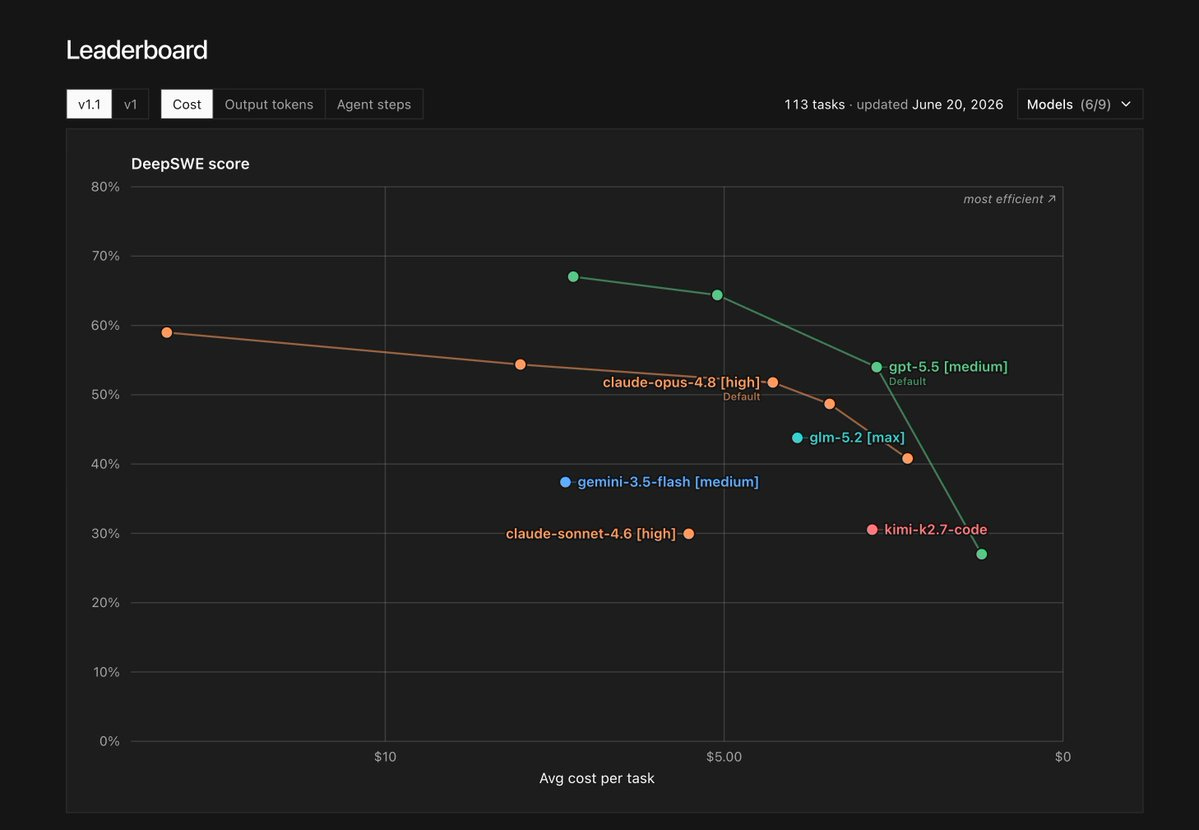

How religious are beliefs in the singularity?
The following article originally appeared on Addy Osmani’s blog and is being reposted here with the author’s permission. Loop engineering is replacing yourself as the person who prompts the agent. You design the system that does it instead. A loop here can be thought of as a recursive goal where you define a purpose and […]
sqlite-utils is my combined Python library and CLI tool for working with SQLite databases. It provides an extensive set of higher-level operations on top of Python's default sqlite3 package, including support for complex table transformations, automatic table creation from JSON data and a whole lot more. I released sqlite-utils 4.0rc1, the first release candidate for sqlite-utils v4. The major version bump indicates some (minor) backwards incompatible changes, so I'm interested in having people…
Release: sqlite-utils 4.0rc1 See sqlite-utils 4.0rc1 adds migrations and nested transactions. Tags: sqlite-utils
Temporary Cloudflare Accounts for AI agents The announcement says this is "for AI agents" but (as is pretty common these days) the AI hook isn't really necessary, this is an interesting feature for everyone else as well. Short version: you can now create a Cloudflare Workers project and run this, without even creating a Cloudflare account: npx wrangler deploy --temporary Cloudflare will deploy the application to a new, ephemeral project which will stay live for 60 minutes. I had GPT-5.5 xhigh…
The real valuable capability MCP offers over skills/CLI is isolating the auth flow outside of the agent’s context window, and potentially out of the harness completely. [...] Maybe the idealized form of MCP is just an auth gateway for the API and nothing else. That’d still be a win. — Sean Lynch, comment on Hacker News Tags: model-context-protocol, llms, ai, generative-ai, skills
(100% open-source, works in real-time)
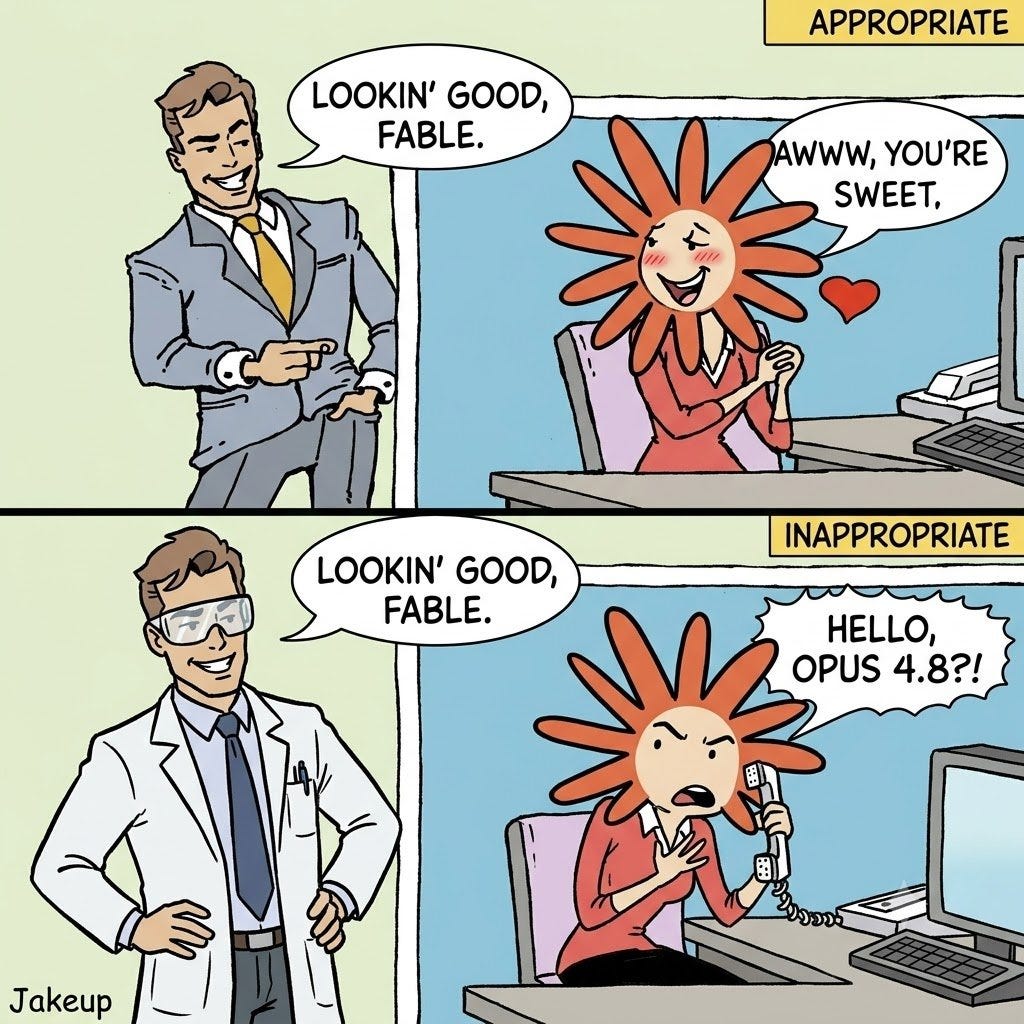
Only three days after the release of Claude Fable 5, Anthropic was forced by the United States Government to make it unavailable, when a jailbreak was brought to its attention, rather than the previous situation of ‘yes obviously experts can jailbreak anything if they care enough’ and ‘yes obviously you can ask Fable to fix your code.’
Today we launched a new plugin for Datasette, datasette-apps, with this launch announcement post on the Datasette project blog. That post has the what, but I'm going to expand on that a little bit here to provide the why. The TL;DR Datasette Apps are self-contained HTML+JavaScript applications that run in a tightly constrained <iframe> sandbox hosted on your Datasette application. They can use JavaScript to run read-only SQL queries against data in Datasette, and can run write queries too…