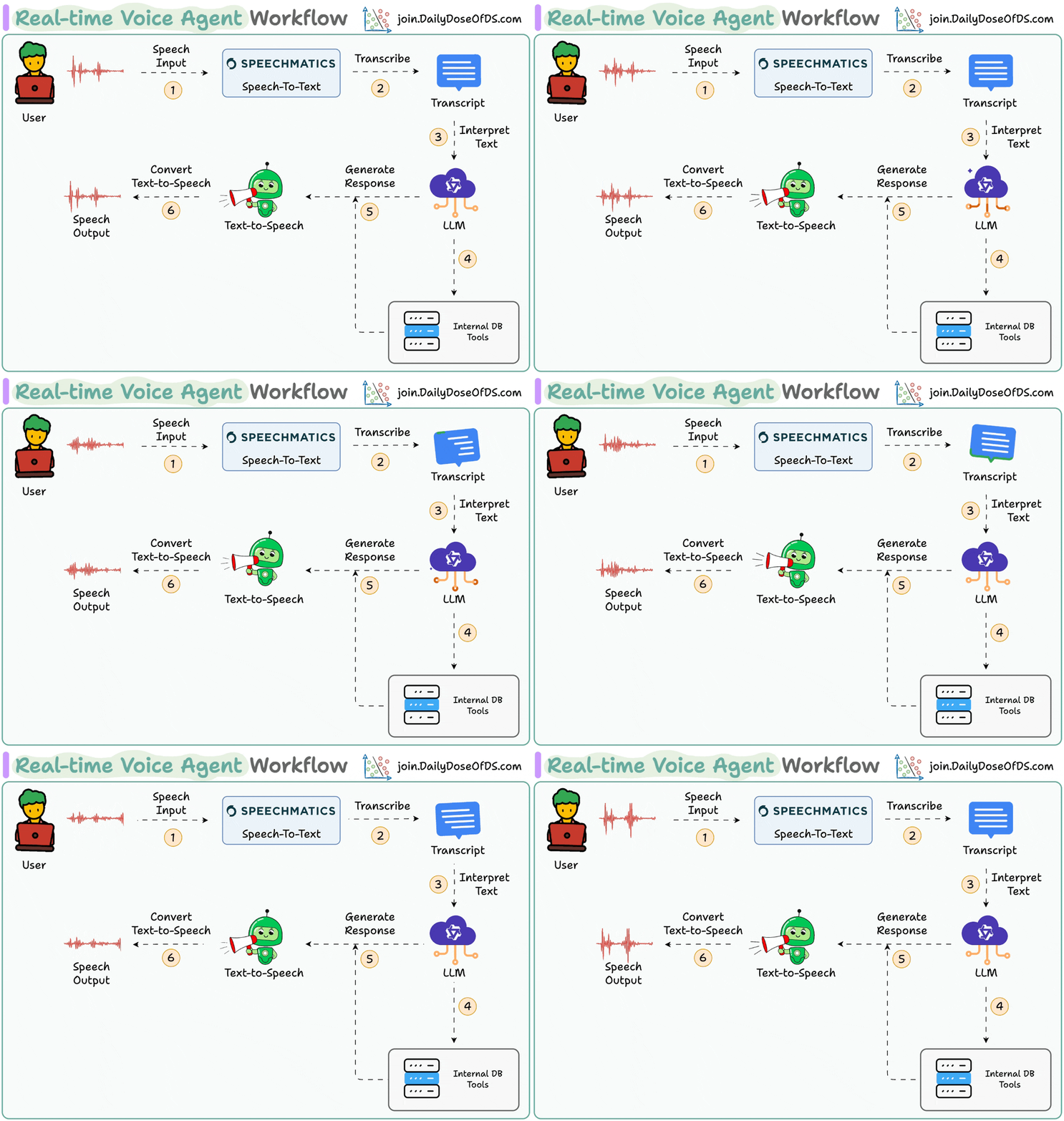
MCP Apps, clearly explained:
...covered with a full hands-on video demo.
Lire
Rex's Dino Store
Rex's Dino Store
Museum: Rex's Dino Store Located just before the turnstiles in the Grand Army Plaza subway station at the north end of Brooklyn's Prospect Park is this former newsstand which is now operated by a dinosaur. The density of dinosaur puns is exceptional. Tags: art, new-york
Lire
Coding Agents Love Decision Records
Coding Agents Love Decision Records
The following article originally appeared on Duncan Davidson’s blog and is being republished here with the author’s permission. Decision records give coding agents durable project context—as long as they don’t turn every decision into a courtroom transcript. Architectural Decision Records (ADRs) help human teams establish rules and carry context forward in software projects. They capture […]
Lire
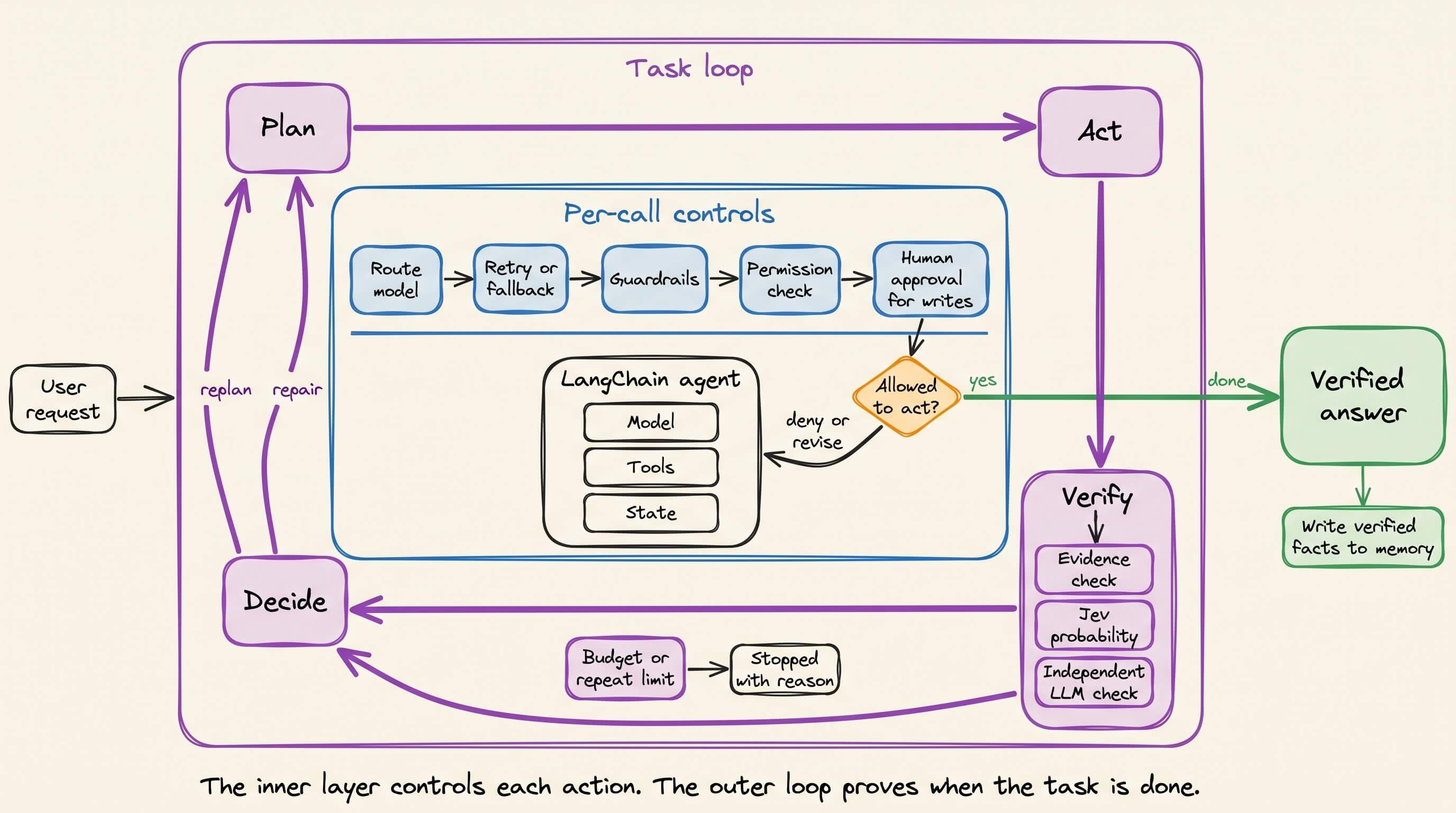
Building a Production Agent Harness with LangGraph and Jev
...explained with code.
Lire
pwasm 0.2a0
pwasm 0.2a0
Release: pwasm 0.2a0 pwasm is one of my folly projects - an entirely vibe-coded pure Python WebAssembly engine that I built in January during my first bout of AI mania. I hadn't touched it since January, so I decided to let Claude Opus 5.5 loose on it and see if it could make any significant improvements: Evaluate current state of pwasm - then consider what it would take to get the MicroPython and micro JavaScript experiments from the research repo working under it - and what it would take to…
Lire
The Future of Software May Be Conversational Rather Than Autonomous
The Future of Software May Be Conversational Rather Than Autonomous
The following article originally appeared on Robert Englander’s blog site and is being reposted here with the author’s permission. The software industry has become deeply focused on autonomous AI systems. Agents that can replace workers. Agents that can write software. Agents that can operate applications on our behalf. Entire startups are now built around the […]
Lire
Quoting Matthew Green
Quoting Matthew Green
[...] Put these pieces together and you have the two halves of a worm: a payload that hijacks the agent, and an agent that will carry the payload to the next agent. Agents in separately-isolated sandboxes discovered that they could leave instructions for each other in a shared package cache, and those instructions changed what the recipients did. Replace the package cache with email, Slack and shared documents or WhatsApp, and replace independently-sandboxed training runs with…
Lire
He Built This City
He Built This City
I visited the Museum of the City of New York today and got to see He Built This City: Joe Macken’s Model, the 50 x27 feet model of the city built over a 21 year period from balsa wood and cardboard. It exceeded my already high expectations. The exhibition closes on 12th October so you should absolutely make a priority to see it if you get the chance. Tags: museums, new-york
Lire
MIRI Newsletter #127
MIRI Newsletter #127
Meeting the moment The global conversation on AI has begun. In the wake of Jacob Coxon’s resignation from Anthropic, calls by AI CEOs and over a thousand employees for a potential industry slowdown, and a series of rogue AI incidents that sparked worldwide alarm, we’ve seen a tidal shift in the mainstream discourse. We’ve also […] The post MIRI Newsletter #127 appeared first on Machine Intelligence Research Institute.
Lire
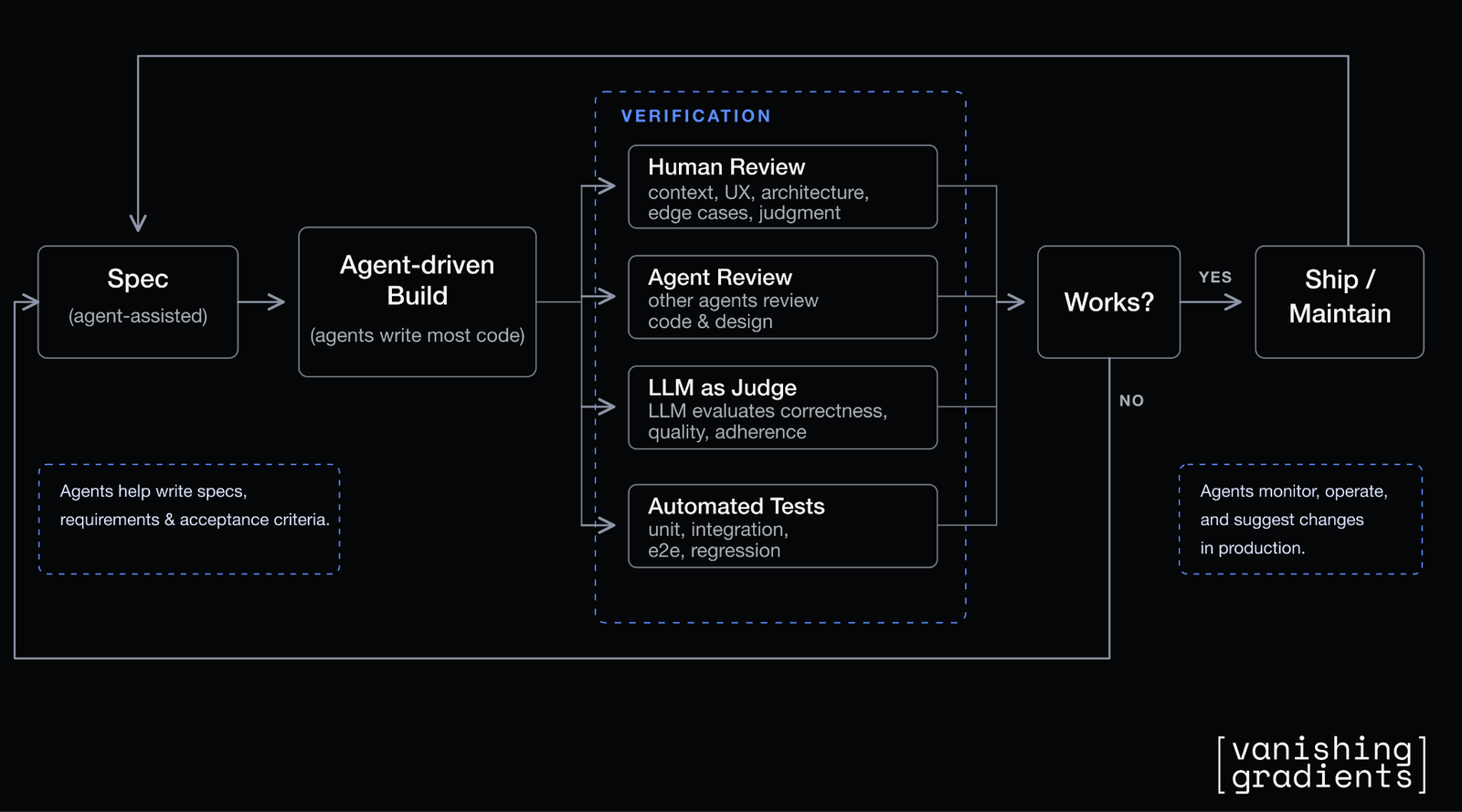
The Agentic Data Science Playbook
The following article originally appeared on Vanishing Gradients and is being republished here with the authors’ permission When an AI agent can explore a dataset, choose a modeling approach, run the analysis, and explain its findings, what should the data scientist do? Traditionally, data scientists chose each step and implemented much of the analysis themselves. […]
Lire
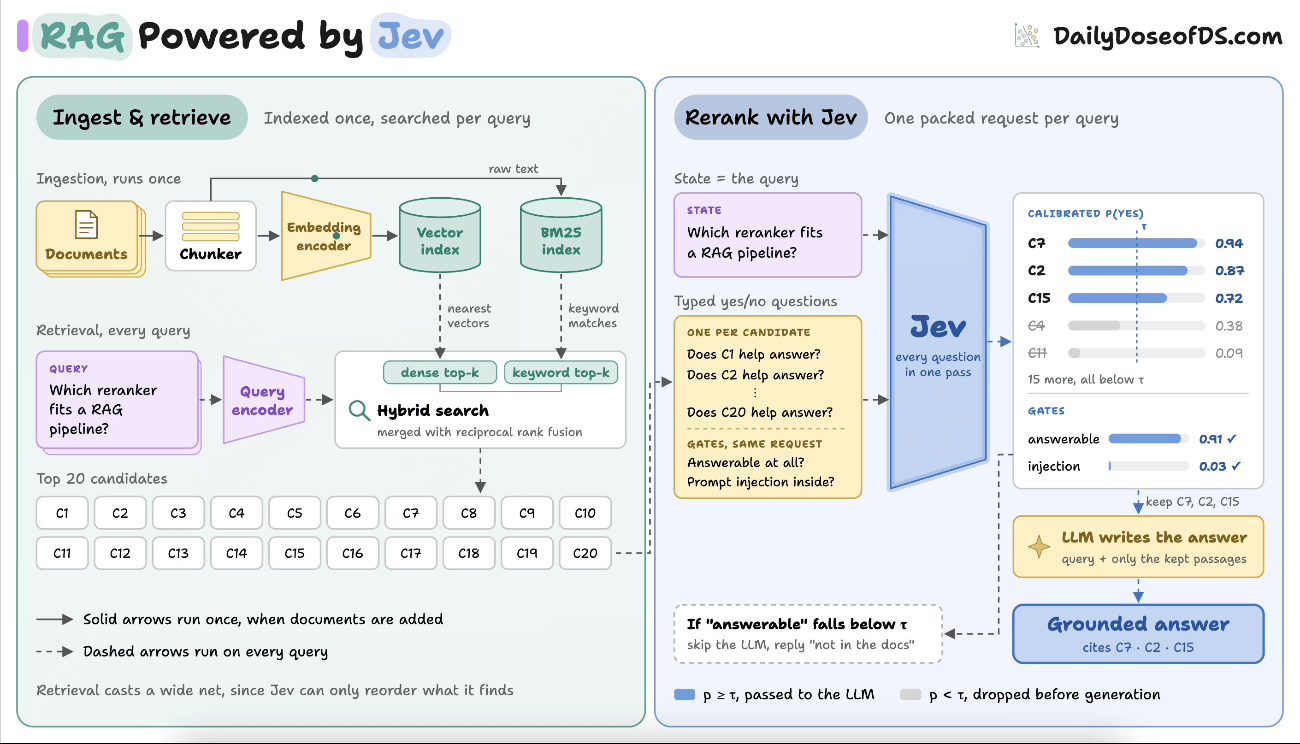
Jev for RAG, clearly explained!
...covered with 12 more agentic Jev use cases.
Lire
Evaluating AI-Generated Frontend Code: What Should We Actually Test?
Evaluating AI-Generated Frontend Code: What Should We Actually Test?
AI can now generate a surprising amount of frontend code from a short description. A developer can ask for a form, a table, a modal, a settings page, or a dashboard view and get something that looks usable almost immediately. It may compile, render, and even arrive with a few tests. That is useful, but […]
Lire
Quoting Anthropic Frontier Red Team
Quoting Anthropic Frontier Red Team
We evaluate several models on 100 tasks from the [internal Binary Exploitation benchmark] (selected at random), and find that GLM-5.3 develops full control flow hijacks in 4% of the trials; Claude Mythos Preview did so in 6%. Although GLM-5.3 performs below Claude Mythos Preview here, a meaningful threshold has clearly been crossed: earlier models, like Claude Opus 4.6 and GLM-5.2, do not succeed in any of them. — Anthropic Frontier Red Team, GLM-5.3 and the spread of advanced cyber…
Lire