Pretext — Under the Hood
Pretext — Under the Hood
Tool: Pretext — Under the Hood See my notes on Pretext here.
Lire
Tool: Pretext — Under the Hood See my notes on Pretext here.
Tool: Python Vulnerability Lookup I learned that the OSV.dev open source vulnerability database has an open CORS JSON API, so I had Claude Code build this HTML tool for pasting in a pyproject.toml or requirements.txt file (or name of a GitHub repo containing those) and seeing a list of all reported vulnerabilities from that API. Tags: tools, python, supply-chain, vibe-coding, security
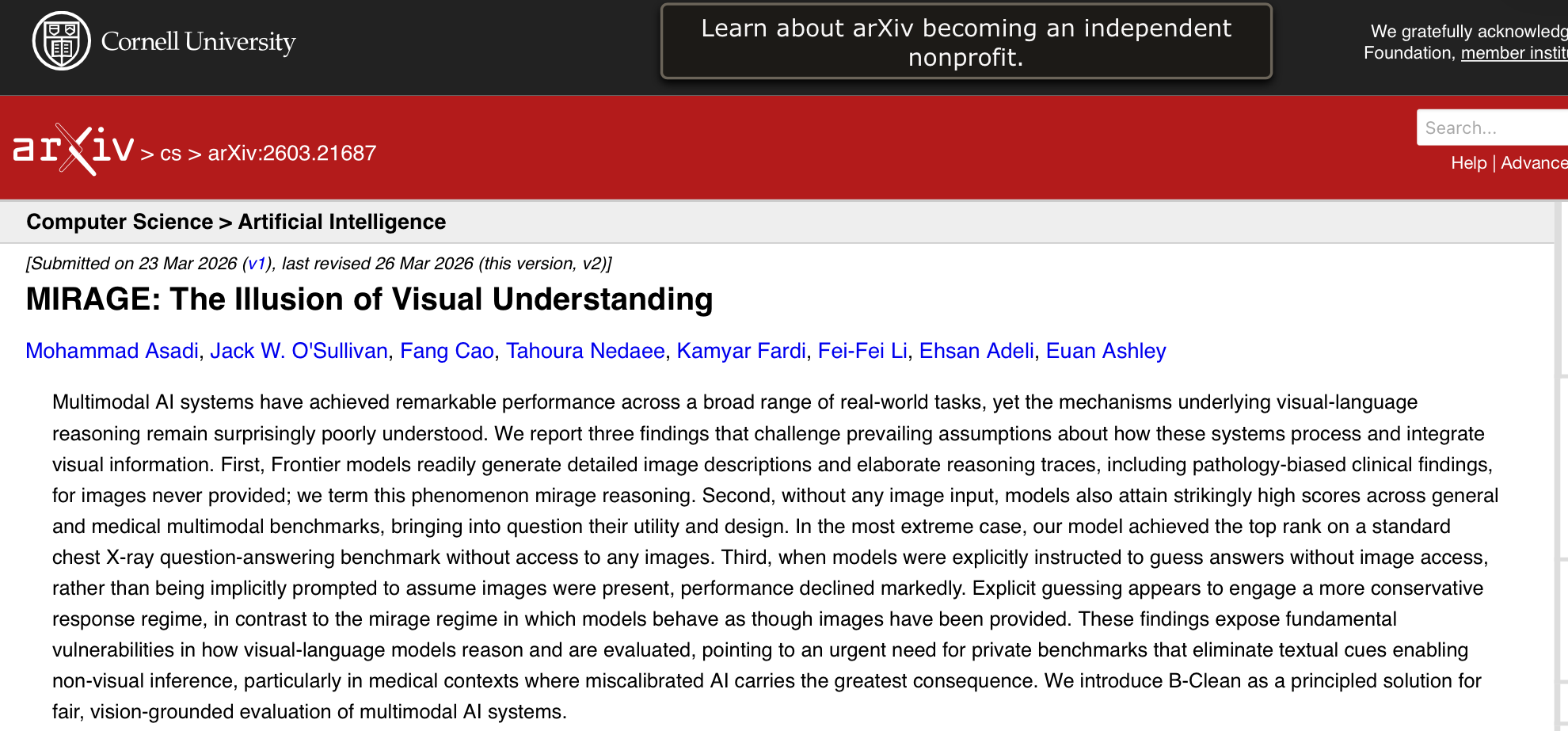
When a model achieves a “top rank on a standard chest X-ray question-answering benchmark without access to any images” you know something is deeply wrong.
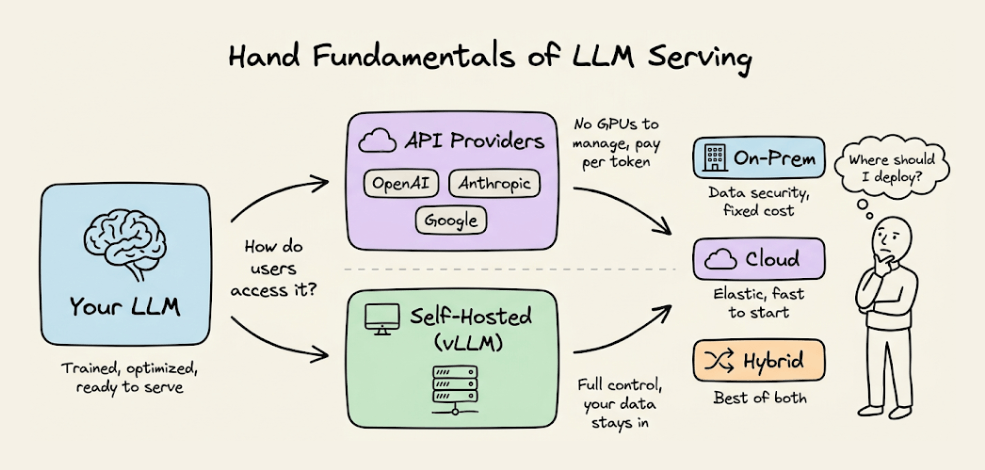
...covered with API-based access, inference with vLLM, and practical decisions.
The thing about agentic coding is that agents grind problems into dust. Give an agent a problem and a while loop and - long term - it’ll solve that problem even if it means burning a trillion tokens and re-writing down to the silicon. [...] But we want AI agents to solve coding problems quickly and in a way that is maintainable and adaptive and composable (benefiting from improvements elsewhere), and where every addition makes the whole stack better. So at the bottom is really great libraries…
Release: datasette-showboat 0.1a2 I added an option to export a Markdown file from my app that lets Showboat incrementally publish updates to a remote server.
So you’ve just seen The AI Doc: Or How I Became an Apocaloptimist, and you suddenly have questions, lots of them. The 104-minute documentary (currently in theaters) takes viewers on a fast-paced tour through the many dimensions of the AI problem, featuring interviews from a wide range of experts. The documentary is a great place […] The post The AI Doc: Your Questions Answered appeared first on Machine Intelligence Research Institute.
FWIW, IANDBL, TINLA, etc., I don’t currently see any basis for concluding that chardet 7.0.0 is required to be released under the LGPL. AFAIK no one including Mark Pilgrim has identified persistence of copyrightable expressive material from earlier versions in 7.0.0 nor has anyone articulated some viable alternate theory of license violation. [...] — Richard Fontana, LGPLv3 co-author, weighing in on the chardet relicensing situation Tags: open-source, ai-ethics, llms, ai, generative-ai,…
I have a new laptop - a 128GB M5 MacBook Pro, which early impressions show to be very capable for running good local LLMs. I got frustrated with Activity Monitor and decided to vibe code up some alternative tools for monitoring performance and I'm very happy with the results. This is my second experiment with vibe coding macOS apps - the first was this presentation app a few weeks ago. It turns out Claude Opus 4.6 and GPT-5.4 are both very competent at SwiftUI - and a full SwiftUI app can fit…
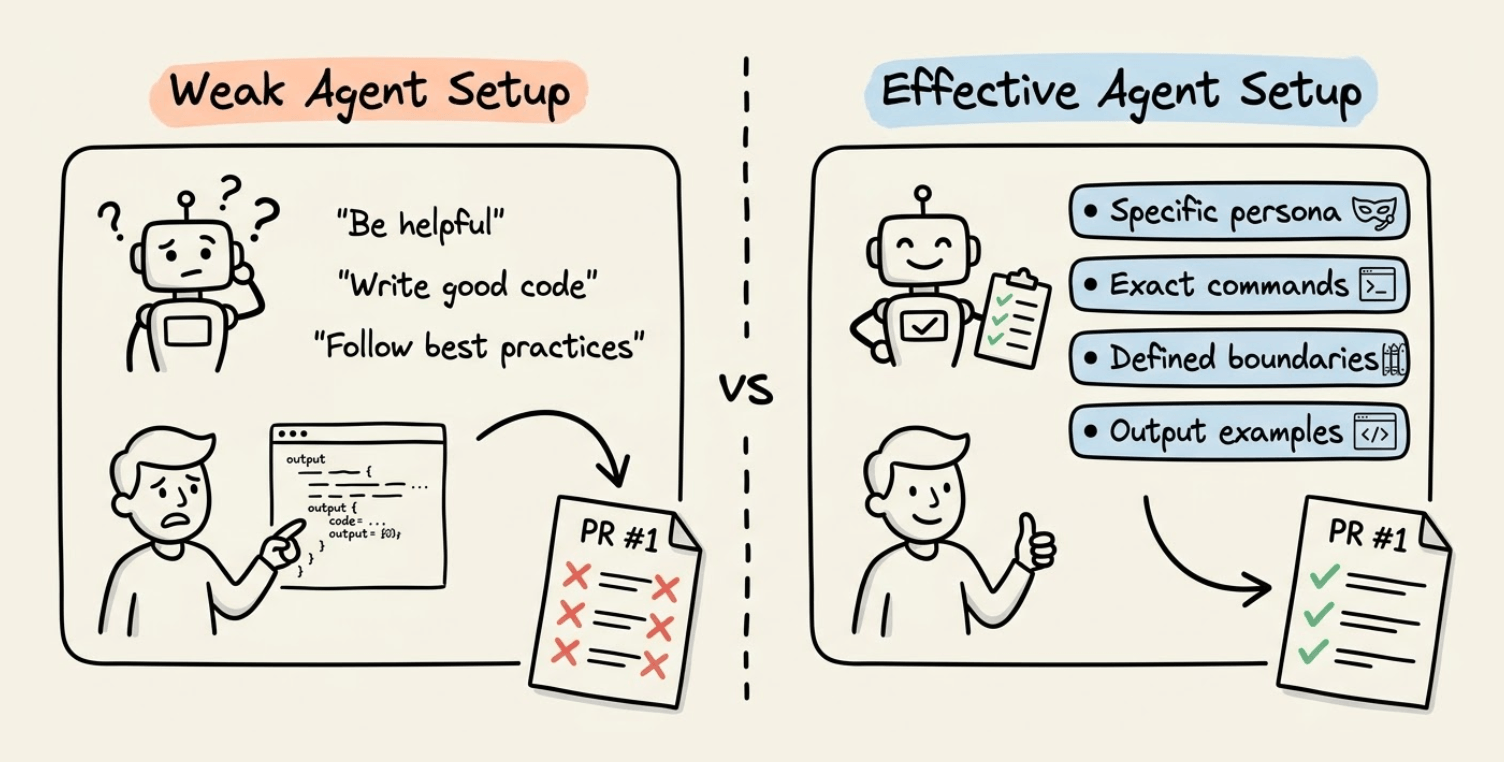
...explained with code!
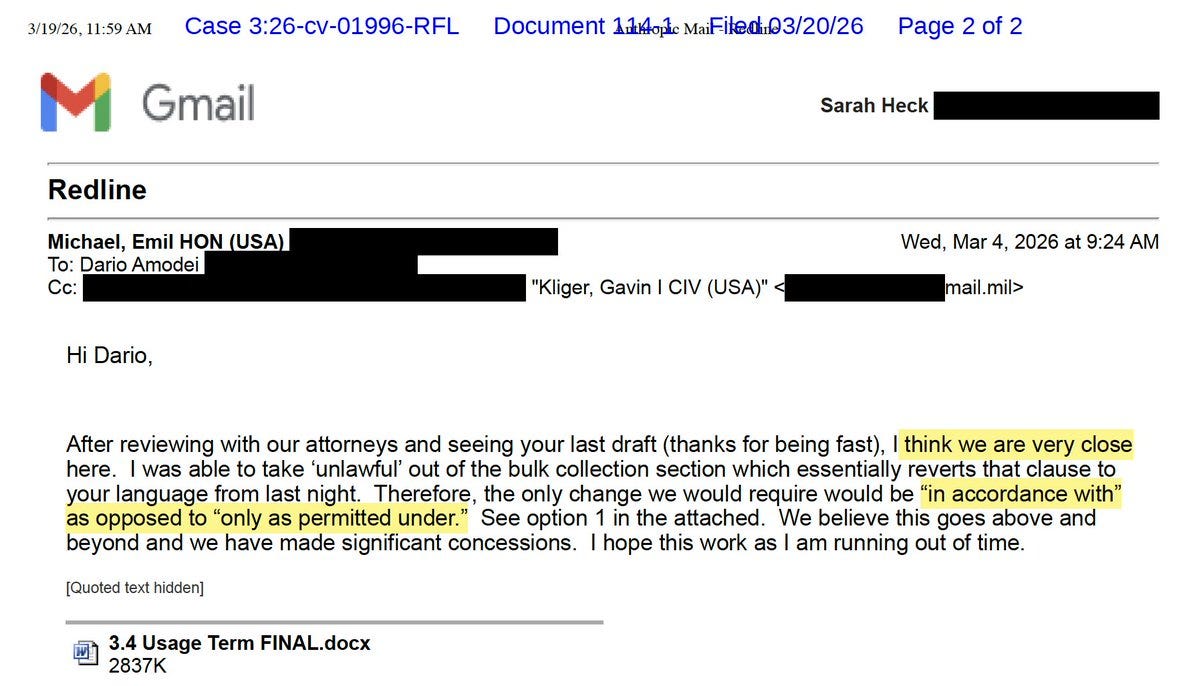
Last night, Anthropic was given its preliminary injunction, with a stay of seven days.
We Rewrote JSONata with AI in a Day, Saved $500K/Year Bit of a hyperbolic framing but this looks like another case study of vibe porting, this time spinning up a new custom Go implementation of the JSONata JSON expression language - similar in focus to jq, and heavily associated with the Node-RED platform. As with other vibe-porting projects the key enabling factor was JSONata's existing test suite, which helped build the first working Go version in 7 hours and $400 of token spend. The Reco…
My minute-by-minute response to the LiteLLM malware attack Callum McMahon reported the LiteLLM malware attack to PyPI. Here he shares the Claude transcripts he used to help him confirm the vulnerability and decide what to do about it. Claude even suggested the PyPI security contact address after confirming the malicious code in a Docker container: Confirmed. Fresh download from PyPI right now in an isolated Docker container: Inspecting: litellm-1.82.8-py3-none-any.whl FOUND: litellm_init.pth…
Quantization from the ground up Sam Rose continues his streak of publishing spectacularly informative interactive essays, this time explaining how quantization of Large Language Models works (which he says might be "the best post I've ever made".) Also included is the best visual explanation I've ever seen of how floating point numbers are represented using binary digits. I hadn't heard about outlier values in quantization - rare float values that exist outside of the normal tiny-value…