Book Review: Open Socrates (Part 2)
Yesterday I posted Part 1. Read that first. This is Part 2 of 2.
Lire
Yesterday I posted Part 1. Read that first. This is Part 2 of 2.

The following article originally appeared on Hugo Bowne-Anderson’s newsletter, Vanishing Gradients, and is being republished here with the author’s permission. In this post, we’ll build two AI agents from scratch in Python. One will be a coding agent, the other a search agent. Why have I called this post “How to Build a General-Purpose AI […]
I wrote about Dan Woods' experiments with streaming experts the other day, the trick where you run larger Mixture-of-Experts models on hardware that doesn't have enough RAM to fit the entire model by instead streaming the necessary expert weights from SSD for each token that you process. Five days ago Dan was running Qwen3.5-397B-A17B in 48GB of RAM. Today @seikixtc reported running the colossal Kimi K2.5 - a 1 trillion parameter model with 32B active weights at any one time, in 96GB of RAM on…
slop is something that takes more human effort to consume than it took to produce. When my coworker sends me raw Gemini output he’s not expressing his freedom to create, he’s disrespecting the value of my time — Neurotica, @schwarzgerat.bsky.social Tags: ai-ethics, slop, generative-ai, ai, llms
Release: datasette-files 0.1a2 The most interesting alpha of datasette-files yet, a new plugin which adds the ability to upload files directly into a Datasette instance. Here are the release notes in full: Columns are now configured using the new column_types system from Datasette 1.0a26. #8 New file_actions plugin hook, plus ability to import an uploaded CSV/TSV file to a table. #10 UI for uploading multiple files at once via the new documented JSON upload API. #11 Thumbnails are now generated…
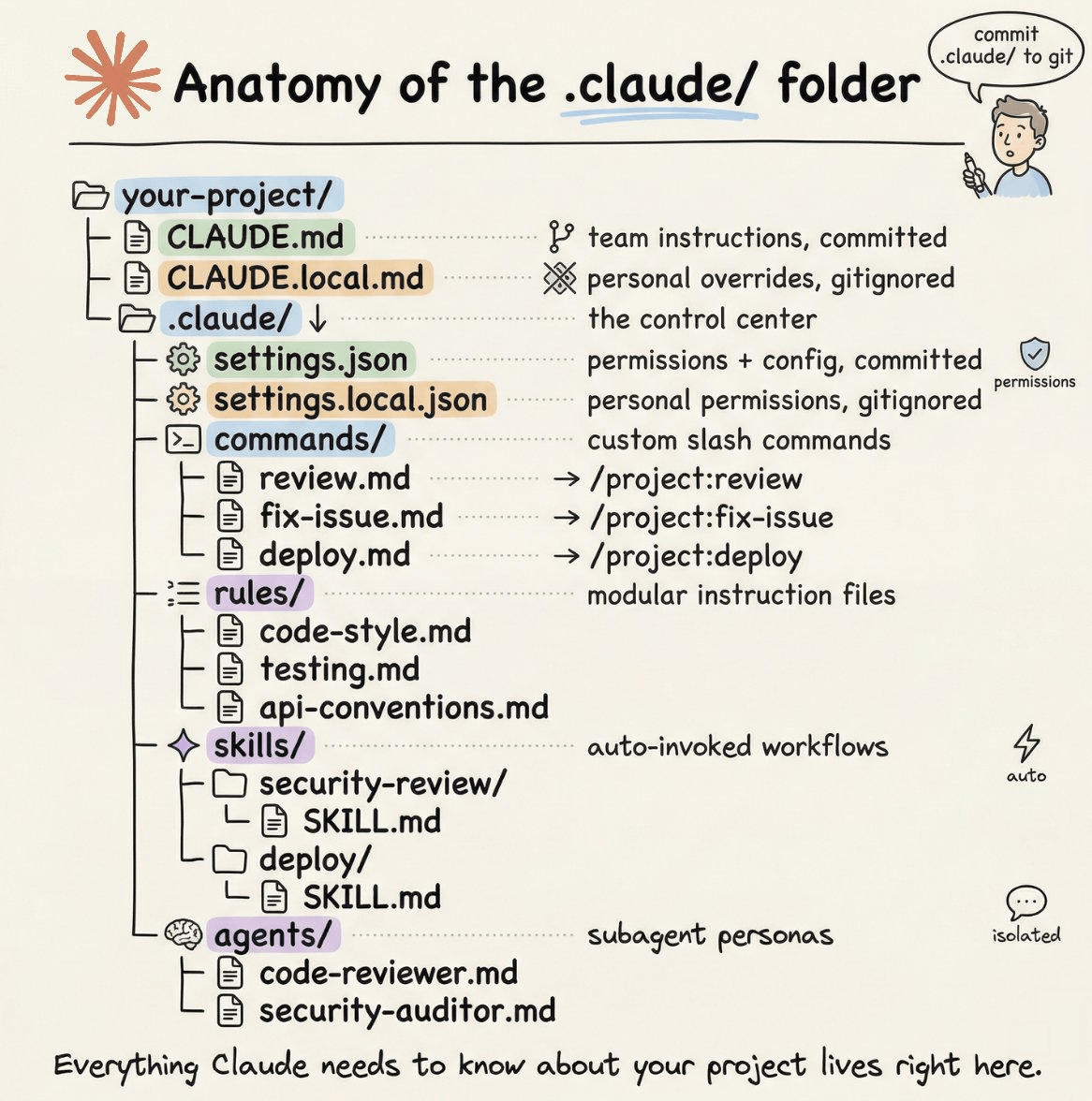
A complete guide to CLAUDE.md, custom commands, skills, agents, and permissions, and how to set them up properly.
I have been doing this for years, and the hardest parts of the job were never about typing out code. I have always struggled most with understanding systems, debugging things that made no sense, designing architectures that wouldn't collapse under heavy load, and making decisions that would save months of pain later. None of these problems can be solved LLMs. They can suggest code, help with boilerplate, sometimes can act as a sounding board. But they don't understand the system, they don't…
These are all important, in their own way, call it a treasure hunt and collect them all…

How will timeless minds value time?
The following article originally appeared on Wes McKinney’s blog and is being republished here with the author’s permission. Like a lot of people, I’ve found that AI is terrible for my sleep schedule. In the past I’d wake up briefly at 4:00 or 4:30 in the morning to have a sip of water or use […]
For the past two years, I’ve been working with economist Ilan Strauss at the AI Disclosures Project. We started out by asking what regulators would need to know to ensure the safety of AI products that touch hundreds of millions of people. We are now exploring the missing mechanisms that are needed to enable the […]
Last month I added a feature I call beats to this blog, pulling in some of my other content from external sources and including it on the homepage, search and various archive pages on the site. On any given day these frequently outnumber my regular posts. They were looking a little bit thin and were lacking any form of explanation beyond a link, so I've added the ability to annotate them with a "note" which now shows up as part of their display. Here's what that looks like for the content I…
Research: Starlette 1.0 skill See Experimenting with Starlette 1.0 with Claude skills. Tags: starlette
Starlette 1.0 is out! This is a really big deal. I think Starlette may be the Python framework with the most usage compared to its relatively low brand recognition because Starlette is the foundation of FastAPI, which has attracted a huge amount of buzz that seems to have overshadowed Starlette itself. Kim Christie started working on Starlette in 2018 and it quickly became my favorite out of the new breed of Python ASGI frameworks. The only reason I didn't use it as the basis for my own…
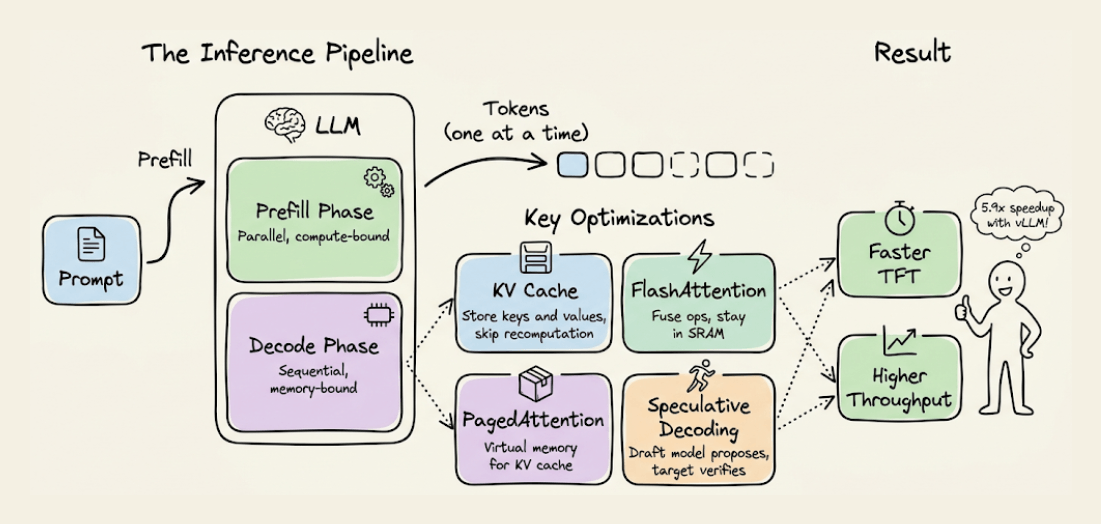
...covered with fundamentals, bottlenecks, and techniques!