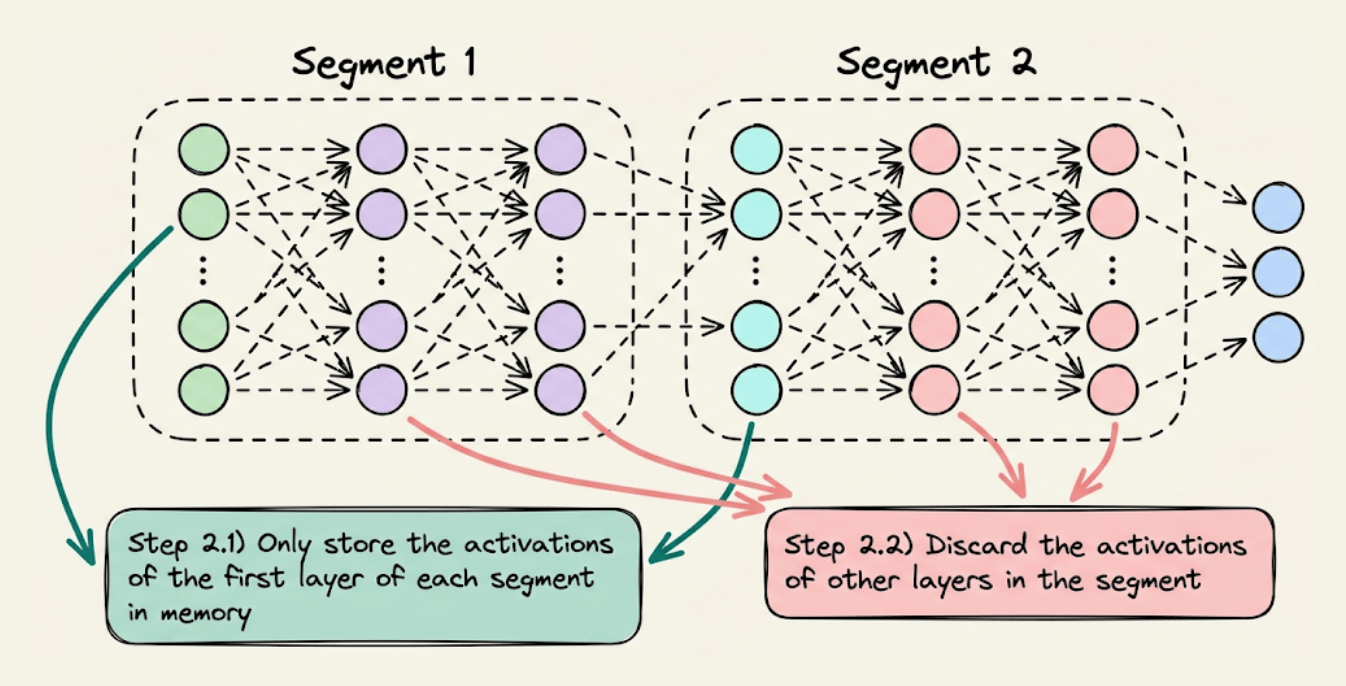
A Memory-efficient Technique to Train Large Models
...that even LLMs like GPTs and LLaMAs use.
Lire
...that even LLMs like GPTs and LLaMAs use.
Since we published our initial analysis of the axios compromise, a deep dive into its hidden blast radius, and a report on the maintainer confirming it was social engineering, maintainers across the Node.js ecosystem have come out of the woodwork to report that they were targeted by the same social engineering campaign. The accounts now span some of the most widely depended-upon packages in the npm registry and Node.js core itself, and together they confirm that axios was not a one-off target.…
Research: Can JavaScript Escape a CSP Meta Tag Inside an Iframe? In trying to build my own version of Claude Artifacts I got curious about options for applying CSP headers to content in sandboxed iframes without using a separate domain to host the files. Turns out you can inject <meta http-equiv="Content-Security-Policy"...> tags at the top of the iframe content and they'll be obeyed even if subsequent untrusted JavaScript tries to manipulate them. Tags: iframes, security, javascript,…
The Axios team have published a full postmortem on the supply chain attack which resulted in a malware dependency going out in a release the other day, and it involved a sophisticated social engineering campaign targeting one of their maintainers directly. Here's Jason Saayman'a description of how that worked: so the attack vector mimics what google has documented here: https://cloud.google.com/blog/topics/threat-intelligence/unc1069-targets-cryptocurrency-ai-social-engineering they tailored…
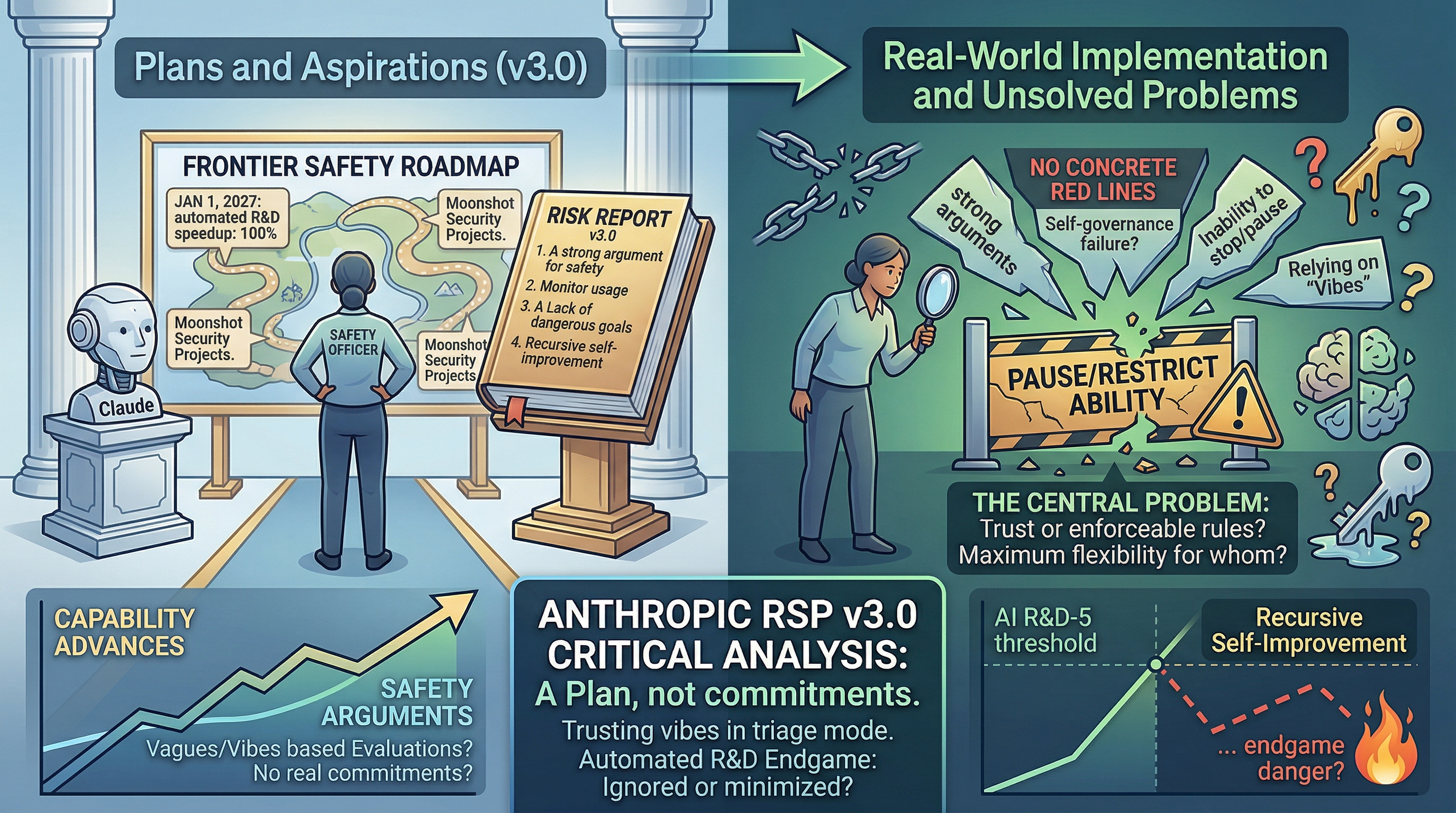
Wednesday’s post talked about the implications of Anthropic changing from v2.2 to v3.0 of its RSP, including that this broke promises that many people relied upon when making important decisions.

The following article originally appeared on Drew Breunig’s blog and is being republished here with the author’s permission. In 1998, Eric S. Raymond published the founding text of open source software development, The Cathedral and the Bazaar. In it, he detailed two methods of building software: The bazaar model was enabled by the internet, which […]
A deep dive into how Blaze works internally. Matt Stauffer builds two toy versions from scratch to show how Blaze shifts Blade component rendering from runtime to compile time. Read more
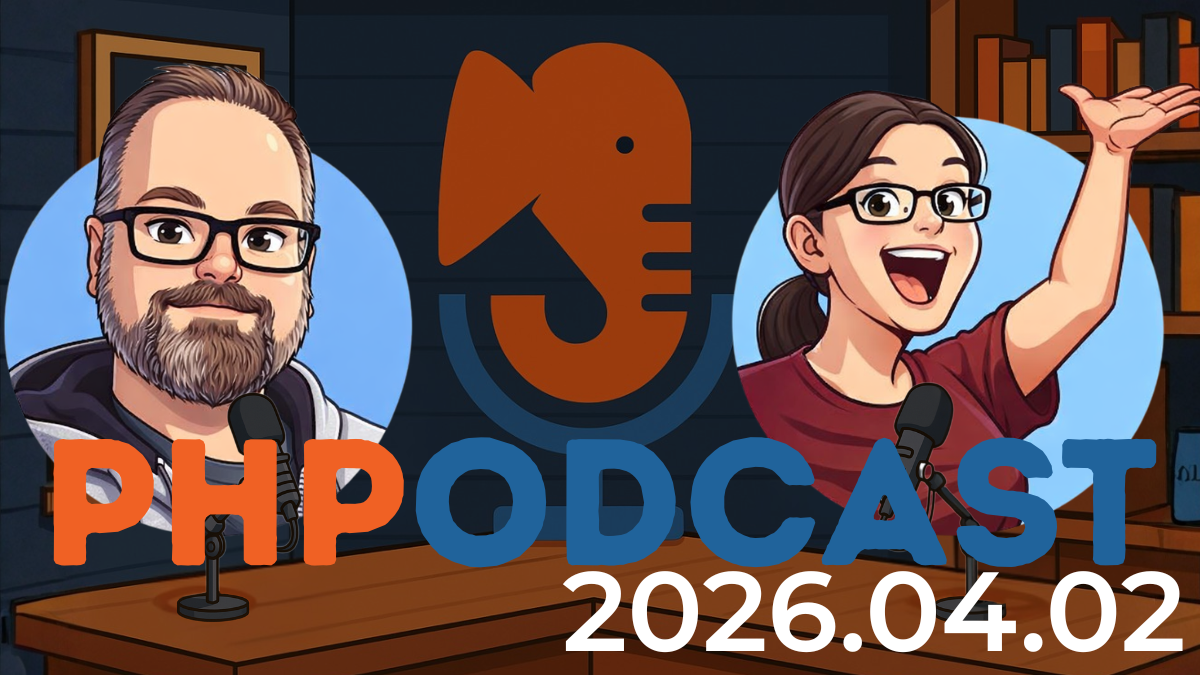
🎙️ The PHP Podcast – Special Episode April 2, 2026 | Guest Hosts: Joe Ferguson & Sara Golemon In this special episode, Joe Ferguson and Sara Golemon step in as guest hosts while Eric recovers from illness and John is busy in Discord. They cover AI tool challenges, PHP Foundation updates, Unicode adventures, infrastructure work, […] The post The PHP Podcast 2026.04.02 appeared first on PHP Architect.
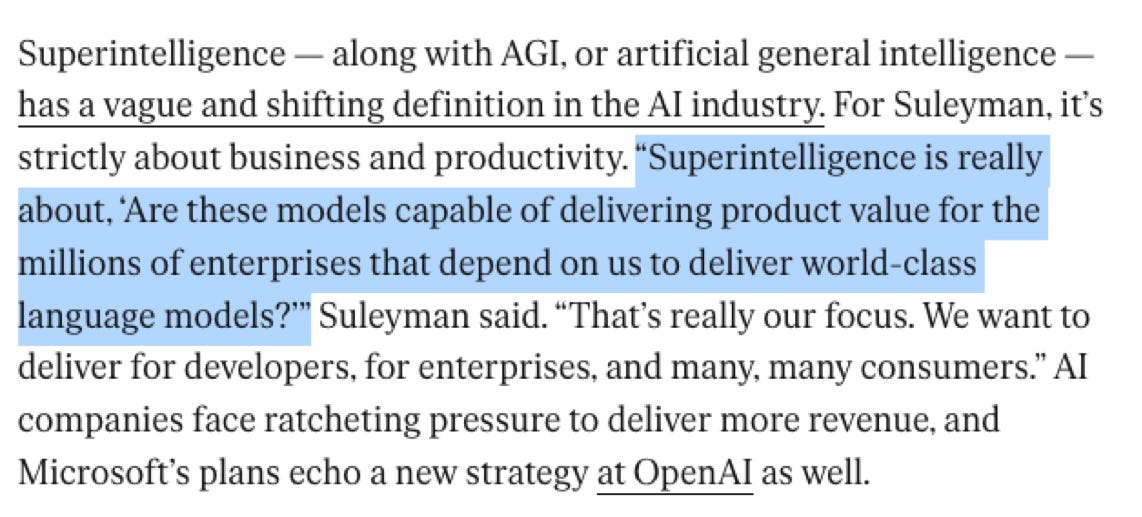
Shifting goal posts and new efforts at redefining the narrative
Read the full post on https://stitcher.io/blog/dependency-hygiene
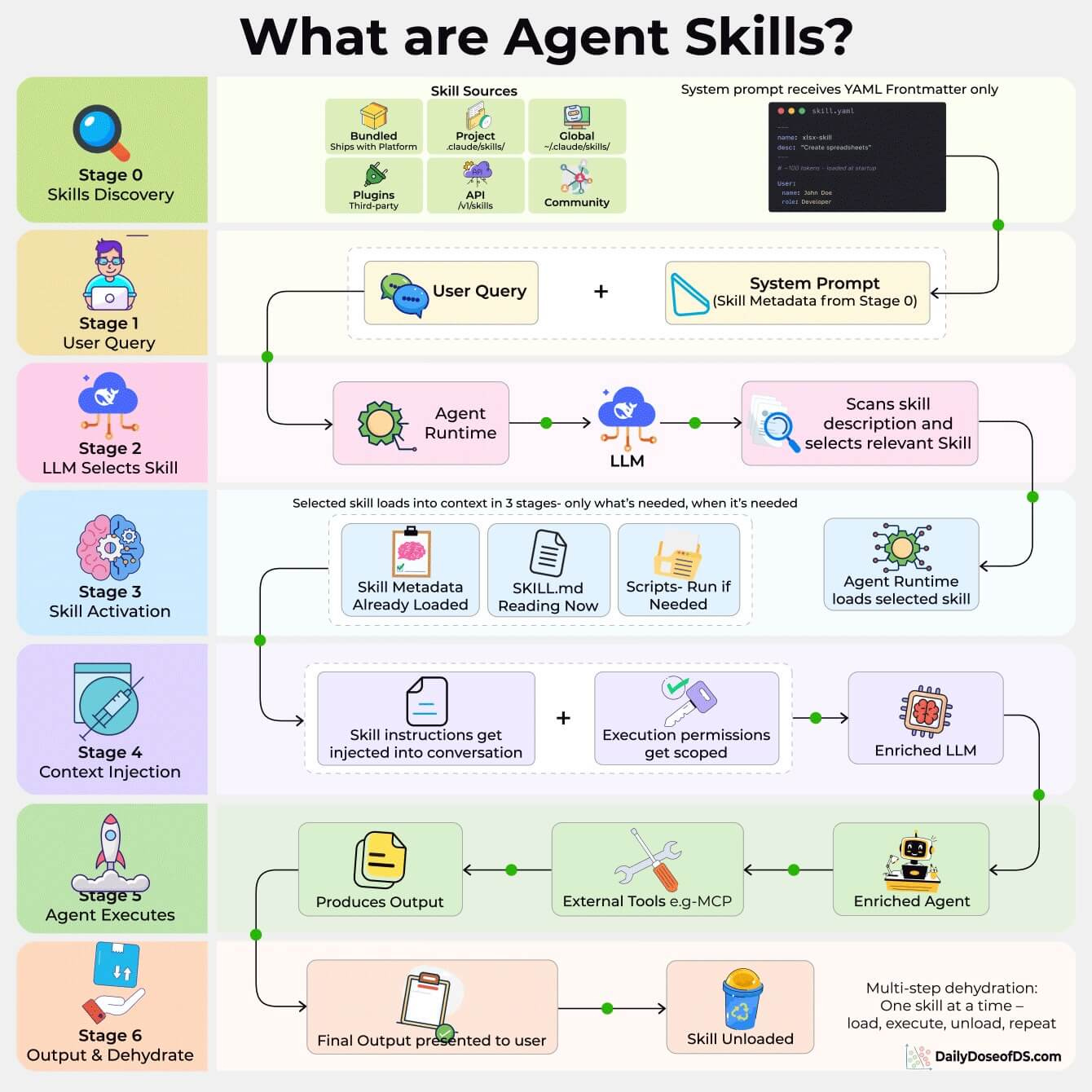
A 7-step process, explained visually!
I was a guest on Lenny Rachitsky's podcast, in a new episode titled An AI state of the union: We've passed the inflection point, dark factories are coming, and automation timelines. It's available on YouTube, Spotify, and Apple Podcasts. Here are my highlights from our conversation, with relevant links. The November inflection point Software engineers as bellwethers for other information workers Writing code on my phone Responsible vibe coding Dark Factories and StrongDM The bottleneck has…
Gemma 4: Byte for byte, the most capable open models Four new vision-capable Apache 2.0 licensed reasoning LLMs from Google DeepMind, sized at 2B, 4B, 31B, plus a 26B-A4B Mixture-of-Experts. Google emphasize "unprecedented level of intelligence-per-parameter", providing yet more evidence that creating small useful models is one of the hottest areas of research right now. They actually label the two smaller models as E2B and E4B for "Effective" parameter size. The system card explains: The…
Release: llm-gemini 0.30 New models gemini-3.1-flash-lite-preview, gemma-4-26b-a4b-it and gemma-4-31b-it. See my notes on Gemma 4. Tags: gemini, llm, gemma
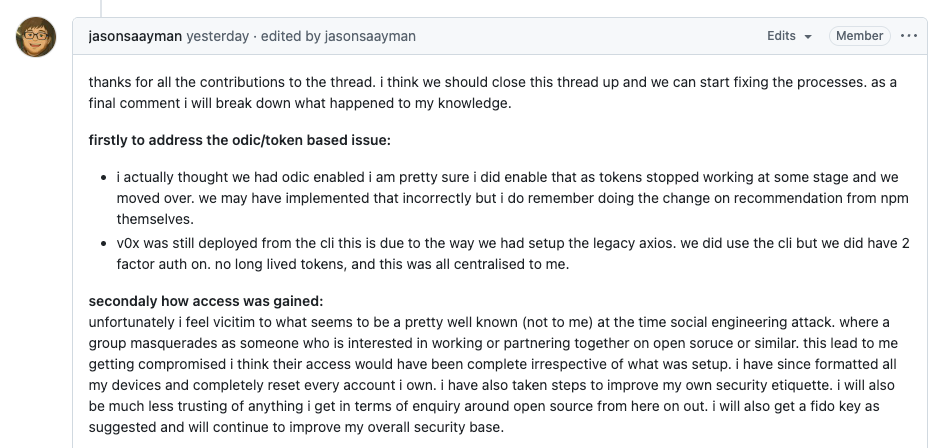
On March 31, two malicious versions of Axios were briefly published to npm, introducing a dependency that installed a remote access trojan across macOS, Windows, and Linux. We covered the initial attack and its scope earlier, as well as a deeper technical analysis of its hidden blast radius and how dependency resolution expanded its impact exponentially. Now, the project’s lead maintainer has shared additional details about how the compromise occurred. A Targeted Social Engineering Attack # In…
Aucun résultat
Essayez avec d'autres termes de recherche.