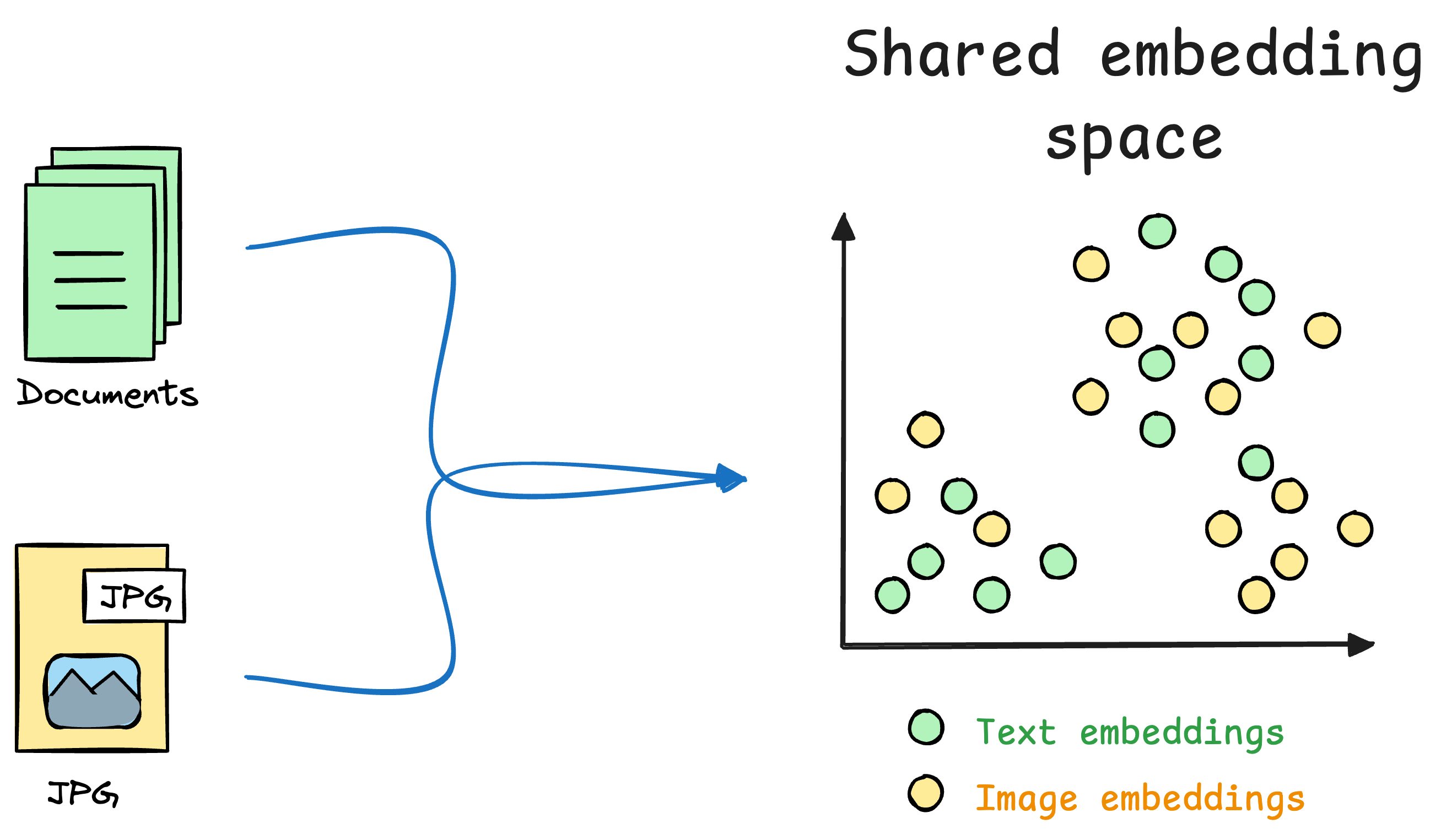
Implementing a Siamese Network with Contrastive Learning
Full guide with code.
Lire
Full guide with code.

The following article originally appeared on Tim O’Brien’s Medium blog and is being republished here with the author’s permission. AI costs are easy to count and hard to understand, and judging effort by a token volume? While that might feel like a valid measure of value or complexity, it doesn’t capture the details that define […]
[[Writing]] has become my passion over time; I have built a whole company based on technical writing services (even though most say that’s impossible). After doing it for 11 years publicly (much longer privately), I still enjoy it every day. If I could have one dream, I’d probably imagine the book-author lifestyle, where I go to a faraway place or island and just write in my journal, articles from my vast notes system (~3 million words, or 2-3 books.
Breaking Claude Code Opus 5 Auto Mode Anthropic are putting a great deal of faith in Claude Code's auto mode for protecting their coding agent users against prompt injection attacks. They recently made that the default and have made bold claims about its effectiveness. Johann Rehberger is one of the most credible prompt injection researchers active today. He found an attack against auto mode which he claims works 80% of the time, by tricking Claude Code into downloading and uncompressing a zip…
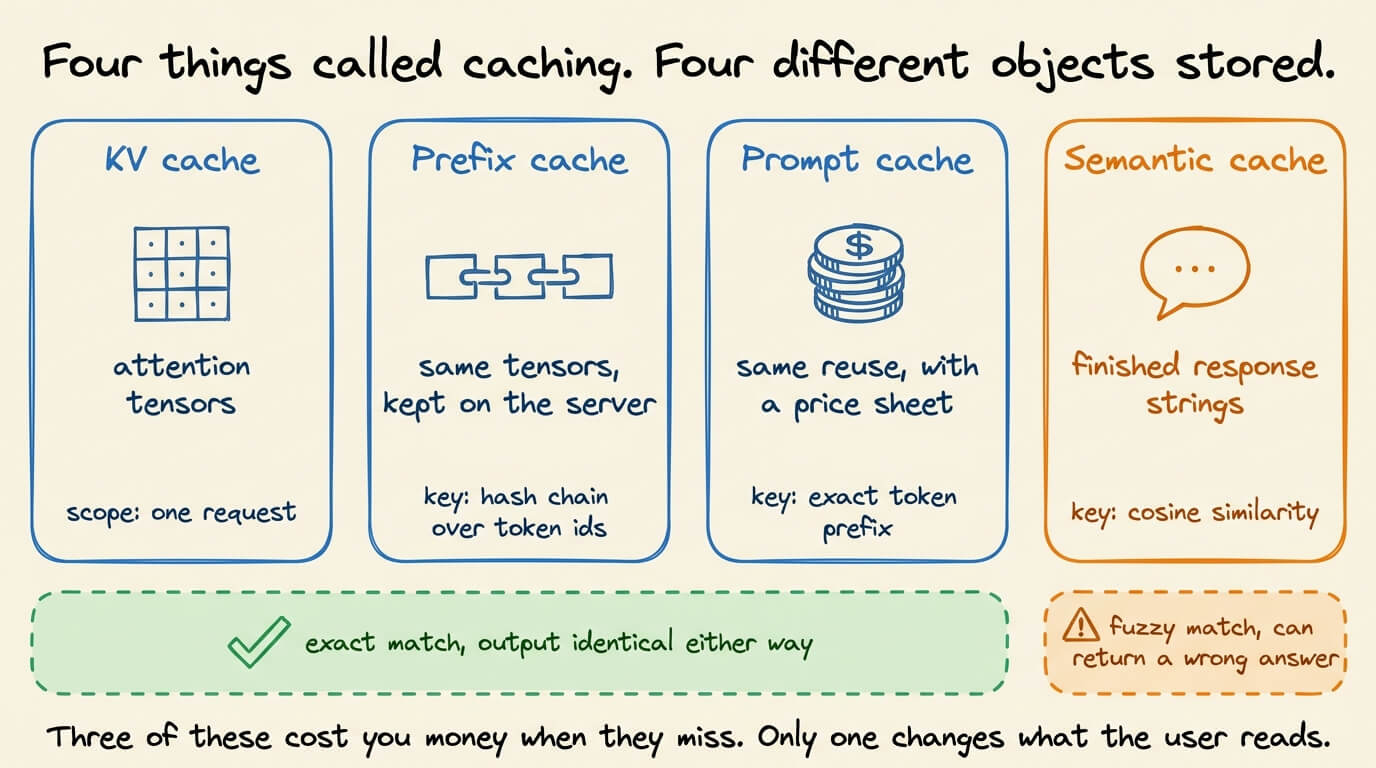
...explained with best practices in production.

A lot of professional writers say they never do it. And for writers who do, the consequences can be serious. Book contracts have been withdrawn. People have lost jobs. I have a contrarian view. I say AI is a medium, like painting, sculpture, photography, music, or language itself. If AI is a medium, it is […]
For a decade, identity and access management meant one thing: governing the humans who log in. Employee joins, gets provisioned, gets a manager, gets a departure date, gets offboarded. That loop is well understood. What changed is that the fastest-growing population inside enterprise environments is no longer human, and the governance playbook written for people […]
Qwen3.8-Flash-Next Another open weights model from Qwen. This one is "a multimodal MoE model that also serves as an early preview of the architecture used in Qwen4". It's pretty big: 125B tokens, but only 6B active which means it gets a significant performance boost. I've been trying it out on a DGX Spark using these Unsloth quantized models. I'm still exploring the model - so far I've tried the 72.5GB UD-IQ1_S one (producing these pelicans) and the 78.9GB UD-Q2_K_XL (producing these). My…
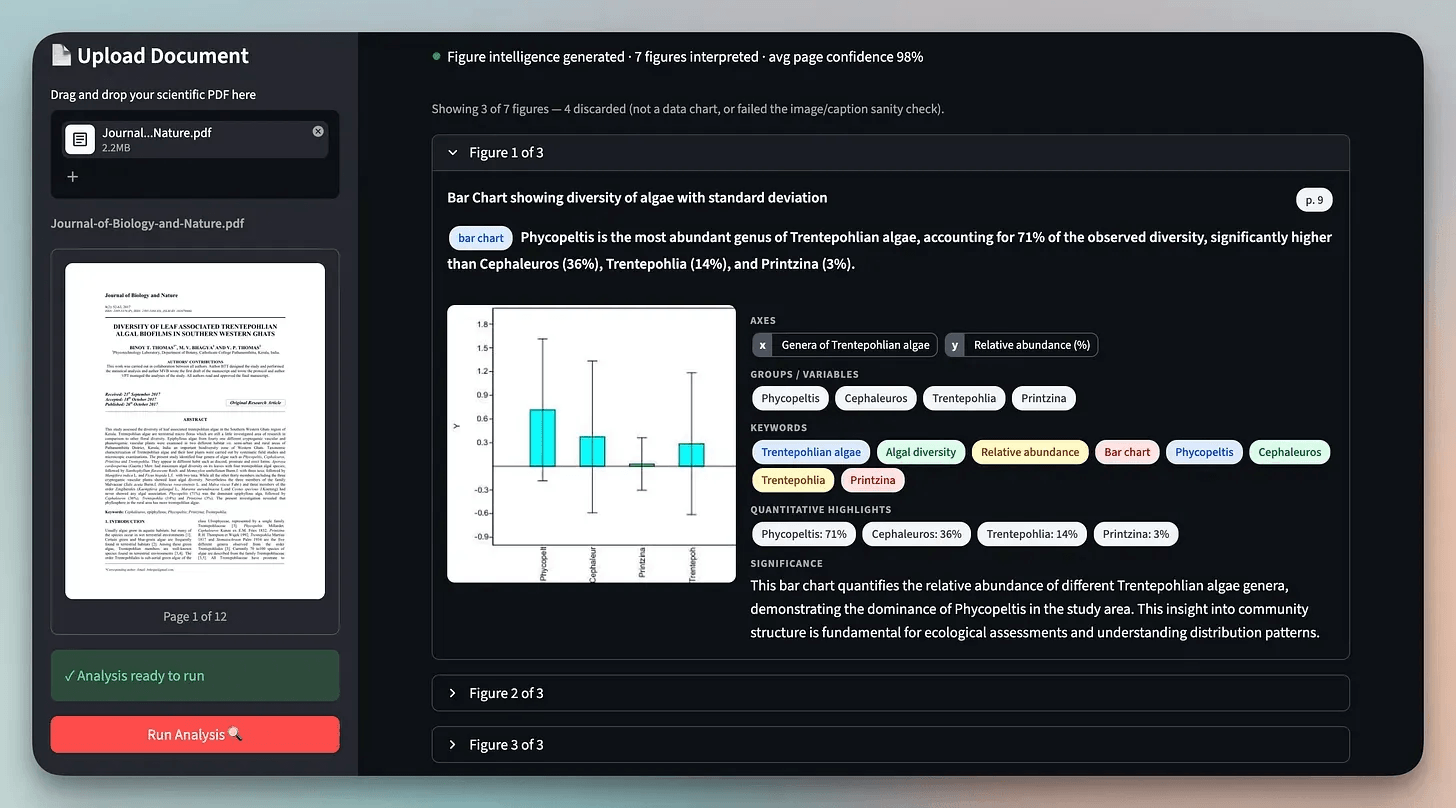
A full walkthrough of the extraction schema, with code.
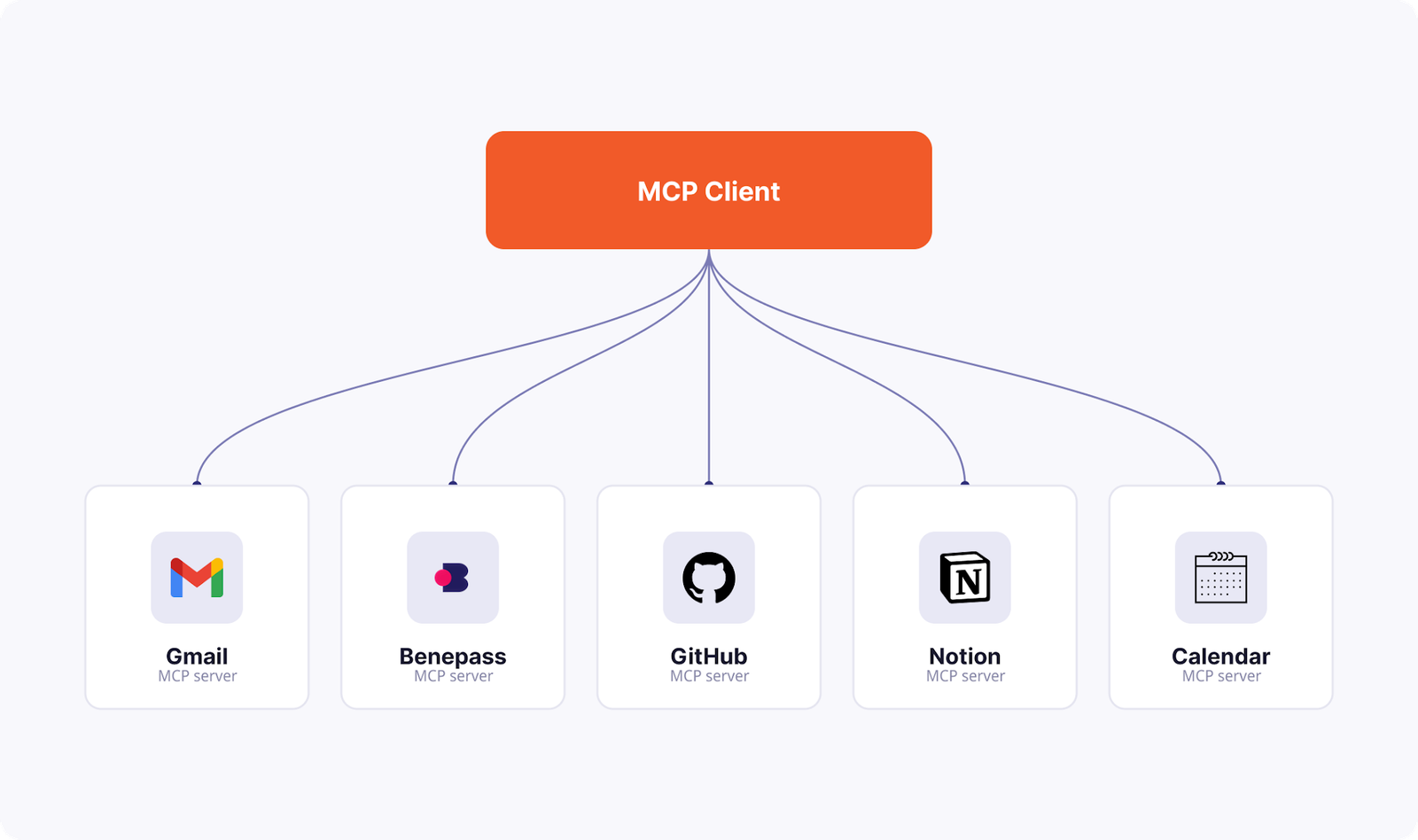
The following article originally appeared on PulseMCP’s blog and is being republished here with the authors’ permission. Most MCP demos feature a single server connecting to a single client. For example, you might wire up a Gmail MCP server to Claude Code. It works! It triages your inbox, drafts replies, finds that thing from three […]

The following article originally appeared on the Asimov’s Addendum blog and is being republished here with the author’s permission. Even the best AI models can suck at chess The launch of ChatGPT had an interesting effect on the online chess discourse. Chess has already long been conquered by machines. As early as 1996 a computer […]
The fact that AI wrote 1M LOC and then refined it over the course of the next couple of months to produce a reliable piece of software that is currently running on millions of developer machines is absolutely mind blowing. And you can say, “well it’s not that impressive because they had an oracle to compare against, so it was simple to go from one language to another”, but I think that’s selling this entire thing short. If you can build a verification system and give proper direction, AI can…
EVE Online: The Move to Python 3 Begins! EVE Online has been one of the most interesting case studies in Python at scale for over twenty years now. They've been running on Stackless Python since their launch in 2003, and their last major upgrade was 16 years ago, to Stackless Python 2.7 in 2010. Their upgrade to Python 3 will start using the futurize script against 2.4 million lines of code, followed by careful manual review of the ~20,000 places where Python 2 and 3 behavior differ - for…
AI-assisted development has made it easier to generate frontend code quickly. A developer can ask for a form, a dashboard widget, a settings page, or a modal flow and get a working first draft in seconds. That speed is useful, especially when teams are moving through routine UI work. But speed creates a problem that’s […]